
Ragdoll Cat Breed Guide: Temperament, Grooming, Health and Fit
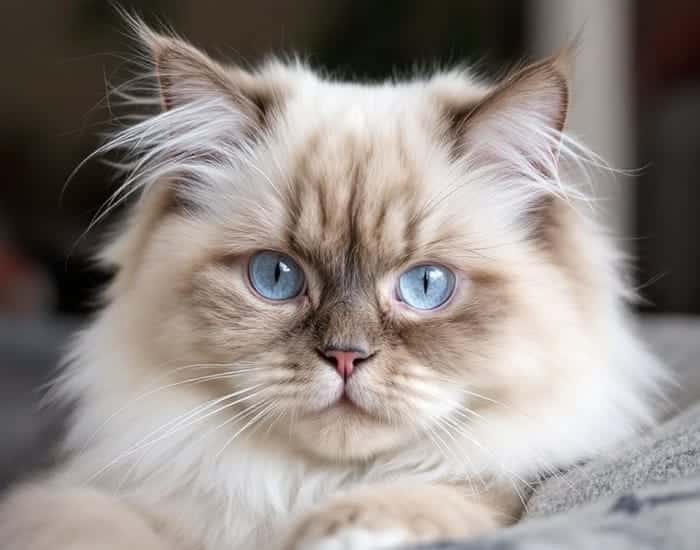
The Ragdoll is a large, blue-eyed, semi-longhaired cat developed in California in the 1960s. Breed organizations commonly describe Ragdolls as affectionate and relatively easy-going, but individual cats still vary in confidence, activity, sociability and tolerance of handling.

Size and maturity
Ragdolls are among the larger pedigree cat breeds and mature slowly. The International Cat Association notes that full size and color may take several years to develop. A large frame should not be confused with excess body fat, so regular body-condition checks are useful.
Temperament
Many Ragdolls are sociable and enjoy being near people, but the breed name should not create an expectation that every cat likes being carried or will “go limp.” Respect the individual cat’s body language and allow it to leave interactions.
Grooming
The semi-long coat benefits from regular combing to remove loose hair and tangles. Check behind the legs, around the neck and along the belly, where mats may be less obvious. Nail care and dental care are also part of routine maintenance.
Play and enrichment
Ragdolls still need daily opportunities to chase, climb, scratch and solve simple food or play problems. A calm adult cat can become overweight if activity and food intake are not balanced.
Health considerations
The Cat Fanciers’ Association notes that hypertrophic cardiomyopathy has been identified in the breed. If buying from a breeder, ask what health screening is performed and request documentation rather than relying on broad claims such as “health guaranteed.”
Are Ragdolls hypoallergenic?
No. All cats produce allergens. If allergy is a concern, read our Ragdoll allergy guide before adopting.
Indoor versus outdoor life
Any cat allowed to roam freely faces traffic, disease, parasite and injury risks. Enclosed outdoor access or a secure catio can provide stimulation with fewer uncontrolled hazards. See our outdoor-safety guide.
Is a Ragdoll right for you?
Consider grooming time, veterinary costs, indoor space, allergy risk, other pets and whether you want a cat that is often socially engaged with the household. Choose the individual animal, not just the breed description.
0 comments