
Celtic Dog Names: Irish, Welsh, Scottish and Myth-Inspired Ideas
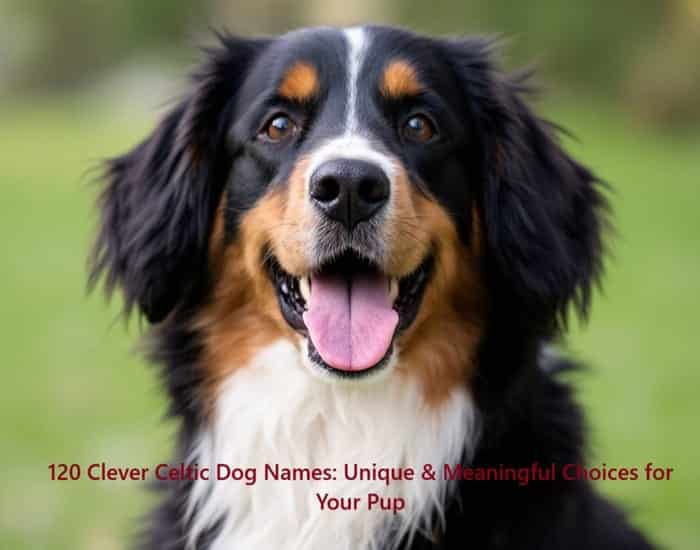
“Celtic” covers several languages, regions and historical traditions rather than one single culture. A responsible Celtic name list should therefore identify whether an idea comes from Irish, Welsh, Scottish or mythological inspiration instead of treating everything as interchangeable.
Irish-inspired names
Finn, Maeve, Niamh, Ronan, Cian, Saoirse, Orla, Declan, Aidan, Brigid, Rory, Fionn
Scottish-inspired names
Skye, Angus, Isla, Fraser, Bonnie, Arran, Iona, Blair, Ewan, Morag, Harris, Brodie
Welsh-inspired names
Dylan, Carys, Rhys, Seren, Gareth, Bryn, Eira, Owain, Gwen, Idris, Enid, Gethin
Place-inspired names
Skye, Kerry, Galway, Conwy, Cardiff, Arran, Iona, Tara, Donegal, Derry, Brecon, Orkney
Myth and legend
Bran, Rhiannon, Cú, Morrigan, Arawn, Taliesin, Finn, Deirdre, Niamh, Oisín, Manannán, Mabon
For deeper context on real Celtic-language traditions, the Encyclopaedia Britannica overview of Celtic languages helps explain why Irish, Welsh and Scottish Gaelic should not be treated as one language.
Verify translations
If you choose a name because an online list claims it means “loyal,” “warrior” or “wolf,” verify that claim from a language source first. PetsFilled does not treat recycled pet-name translations as authoritative.
Make pronunciation part of the choice
Some traditional names have pronunciations that are not obvious to English speakers. If the name matters culturally, learn the pronunciation rather than altering it only to match spelling expectations.
For mythology without a regional focus, see our mythical dog names guide. For Nordic inspiration, browse our Norwegian dog names.

0 comments